

Understanding Gold Jewellery Per Gram Making Charges: Your Honest Guide from Big Gold Hull
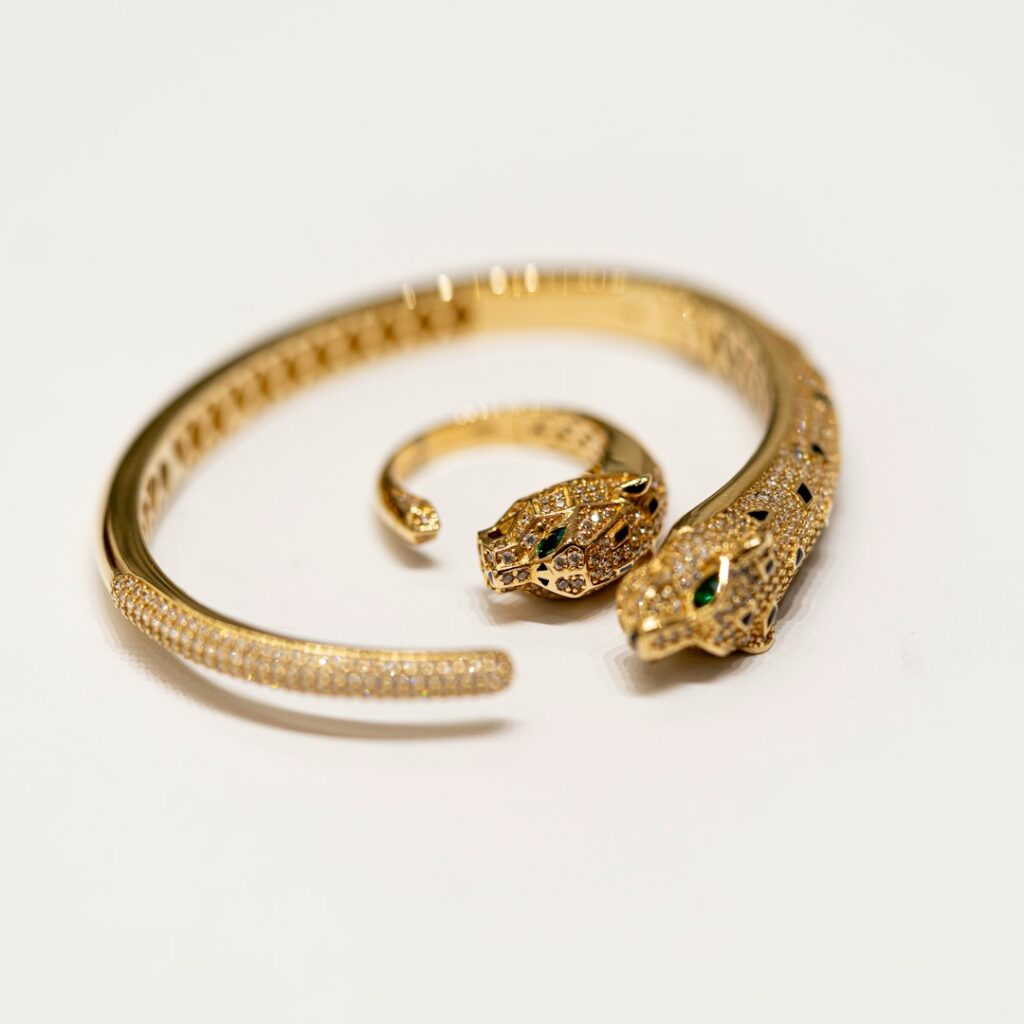
Photo by Atul Mohan on Unsplash
Welcome to Big Gold Hull, your trusted local experts in all things gold. We believe in transparency, especially when it comes to the value of your precious metals. Today, we’re diving deep into a topic that often causes confusion for jewellery buyers: the ‘making charge’ or ‘labour charge’ applied per gram of gold jewellery. It’s a crucial element in the final price, and understanding it empowers you to make informed decisions.
At Big Gold Hull, we’re leading ‘The Big Gold Revolution’ with a commitment to Per-Gram transparency. This means we break down the cost of your gold, so you know exactly what you’re paying for. The making charge is essentially the cost of craftsmanship, the skill and time involved in transforming raw gold into a beautiful piece of jewellery. It’s not a hidden fee; it’s a direct reflection of the artistry and labour that goes into each unique item.
What Exactly is a Gold Jewellery Making Charge?
Think of it this way: when you buy a piece of gold jewellery, you’re not just buying the gold itself. You’re also paying for the design, the intricate work, the polishing, and the overall creation process. The making charge covers all of this. It’s the labour cost associated with the jeweller’s expertise, the machinery used, and the time spent meticulously crafting your chosen piece.
This charge is separate from the intrinsic value of the gold, which fluctuates with the live market indexes. While the gold content is priced based on today’s spot price, the making charge is a fixed or variable addition determined by the complexity and labour involved in the design. It’s a vital distinction that many buyers overlook, leading to a misunderstanding of the total cost.
Factors Influencing the Making Charge Per Gram
Several factors contribute to how a making charge is calculated. The most significant is the complexity of the design. A simple, plain band will naturally have a lower making charge than an elaborate, hand-engraved necklace with intricate settings. The level of detail, the number of components, and the techniques used by the artisan all play a role.
The type of gold also matters. While the making charge is for labour, certain gold purities or alloys might require different handling or specific tools, subtly influencing the cost. Furthermore, the reputation and skill of the jeweller or brand can impact the making charge. High-end jewellers with renowned artisans often command higher making charges, reflecting their superior craftsmanship and brand prestige.
At Big Gold Hull, we pride ourselves on offering fair and transparent making charges. We believe that exceptional craftsmanship should be accessible, and our rates are designed to reflect the true value of the labour without unnecessary markups. Our commitment to the Per-Gram transparency means we’re happy to explain how these charges are applied to your chosen piece.
How is the Making Charge Calculated?
Making charges can be calculated in a few different ways. The most common method is a percentage of the gold value. For instance, a jeweller might apply a making charge of 10% to 25% (or sometimes more, depending on complexity) of the current market value of the gold in the piece. This means that as the live market indexes for gold fluctuate, the making charge, when calculated as a percentage, will also adjust accordingly.
Another method is a fixed rate per gram. This is where the ‘making charge per gram’ terminology comes into play. The jeweller sets a specific rate for the labour involved for each gram of gold used in the piece. This can be simpler to understand, as you know the exact labour cost per gram. For example, a piece might have a making charge of a certain amount per gram, irrespective of the fluctuating gold price.
Some jewellers might also use a combination of both, or a flat making charge for a specific design, regardless of weight. At Big Gold Hull, we strive for clarity. We often use a per-gram approach for our making charges, allowing you to see the labour cost clearly separated from the gold’s value, aligning with our Per-Gram transparency ethos.
Making Charges vs. Gold Value: What’s the Difference?
It’s crucial to distinguish between the making charge and the actual value of the gold. The gold value is determined by the weight of the gold in the piece and the current spot price of gold. This price is dictated by global markets and can change by the minute. It represents the raw material’s worth.
The making charge, on the other hand, is purely for the labour and artistry. It’s the cost of the skill, time, and effort that goes into creating the jewellery. Even if the gold price were to drop significantly, the making charge for a complex piece would likely remain the same, as the labour involved hasn’t changed. Conversely, if the gold price soars, the labour cost (making charge) remains constant, though the overall price of the item will increase due to the higher gold value.
Understanding this difference is key to appreciating the true value of your jewellery. You’re investing in both a tangible asset (the gold) and a piece of art (the craftsmanship). Big Gold Hull ensures you can see both components clearly.
The ‘Big Gold Revolution’ and Per-Gram Transparency
Here at Big Gold Hull, we’re not just selling gold; we’re championing ‘The Big Gold Revolution’. Our core principle is Per-Gram transparency. This means we believe you should know the exact value of the gold content in your jewellery, priced according to the live market indexes, and understand the making charge as a separate, distinct cost.
We aim to demystify the jewellery buying process. Instead of a single, opaque price, we want you to see the breakdown: the weight of the gold, today’s spot price applied to that weight, and then the making charge. This approach ensures fairness and builds trust. You’re not just buying a piece of jewellery; you’re investing in a tangible asset with a clearly defined value.
Our location at 51 Jameson Street, Hull (HU1 3JA), directly opposite the historic Old House of Fraser building, is a landmark for honest gold dealings. Just a 3-minute walk from Hull Paragon Interchange, we’re easily accessible for anyone looking for clear, trustworthy advice on gold jewellery and its true value.
When Might Making Charges Be Waived or Reduced?
While making charges are standard practice, there are instances where they might be reduced or even waived. Often, during special promotions or sales events, jewellers may offer discounts on making charges. This is a common tactic to attract customers and clear stock.
For very simple, mass-produced items, the making charge might be minimal. Conversely, when you’re selling gold to a dealer, the making charge is typically not applicable, as the focus is on the melt value of the gold. However, when buying new jewellery, it’s an integral part of the price structure.
At Big Gold Hull, we occasionally run special offers. Keep an eye on our in-store announcements and website for details on any promotions that might reduce making charges on selected items. Our goal is always to provide the best possible value to our customers.
Tips for Buying Gold Jewellery with Making Charges
When you’re in the market for gold jewellery, remember these key points. Firstly, always ask for a breakdown of the price. Understand how the making charge is calculated – is it a percentage, a per-gram rate, or a flat fee? This knowledge is power.
Secondly, compare making charges between different jewellers, especially for pieces with similar designs. While craftsmanship varies, you might find significant differences. However, don’t let the lowest making charge be your only deciding factor; consider the overall quality and design.
Finally, trust your instincts and choose a reputable dealer. At Big Gold Hull, our commitment to honesty and our ‘Big Gold Revolution’ ethos means you’ll always receive clear, upfront information. We’re here to guide you, ensuring you understand every aspect of your purchase, from the weight of the gold to the artistry involved.
Frequently Asked Questions (FAQ)
- Q1: Is the making charge negotiable?
A1: In many retail environments, making charges can sometimes be negotiated, especially during sales or on higher-value items. However, for jewellers like us who pride ourselves on fair pricing and transparent labour costs, the making charge often reflects the true cost of craftsmanship. It’s always worth asking, but understand that it’s a genuine cost for the artisan’s skill.
- Q2: Does the making charge apply to plain gold chains?
A2: Yes, even plain gold chains have a making charge, though it’s typically much lower than for intricate designs. It covers the process of creating the links, polishing, and finishing the chain. The complexity of the link design will influence this charge.
- Q3: How does the making charge differ for different karats of gold?
A3: The making charge itself is primarily for labour and doesn’t directly change based on the karat (purity) of the gold. However, the overall price of the jewellery will be affected because higher karats (like 24K) are softer and more difficult to work with, potentially increasing labour time or risk for intricate designs, though this is usually factored into the design’s complexity rather than a direct karat-based making charge adjustment. The value of the gold itself, however, is significantly different between karats.
- Q4: If I sell my gold jewellery, will I get back the making charge?
A4: Generally, no. When you sell gold jewellery, you are typically paid based on the current market value of the gold content (the melt value) and its purity. The making charge is a cost incurred when buying new jewellery and is not usually recoverable when selling.
- Q5: Where can I find transparent making charges in Hull?
A5: At Big Gold Hull, located at 51 Jameson Street (HU1 3JA), we are committed to Per-Gram transparency. We clearly separate the gold value from the making charge, allowing you to see the true cost of craftsmanship. Visit us opposite the Old House of Fraser building for an honest and clear experience.
Understanding making charges is essential for any savvy jewellery buyer. It’s about appreciating the artistry and labour that goes into each piece, alongside the intrinsic value of the gold itself. We hope this guide has shed some light on the topic. Remember, at Big Gold Hull, we’re dedicated to making your gold buying experience as transparent and rewarding as possible. Come and see us in person – we’re right here in the heart of Hull, ready to answer all your questions.
More Expert Insights:
Visit The Big Gold Revolution Today
51 Jameson Street, Hull, HU1 3JA
Located directly opposite the Old House of Fraser building. 3 mins walk from Hull Paragon Interchange.
