

Understanding the Silver Price: An Honest Expert’s Guide from Big Gold
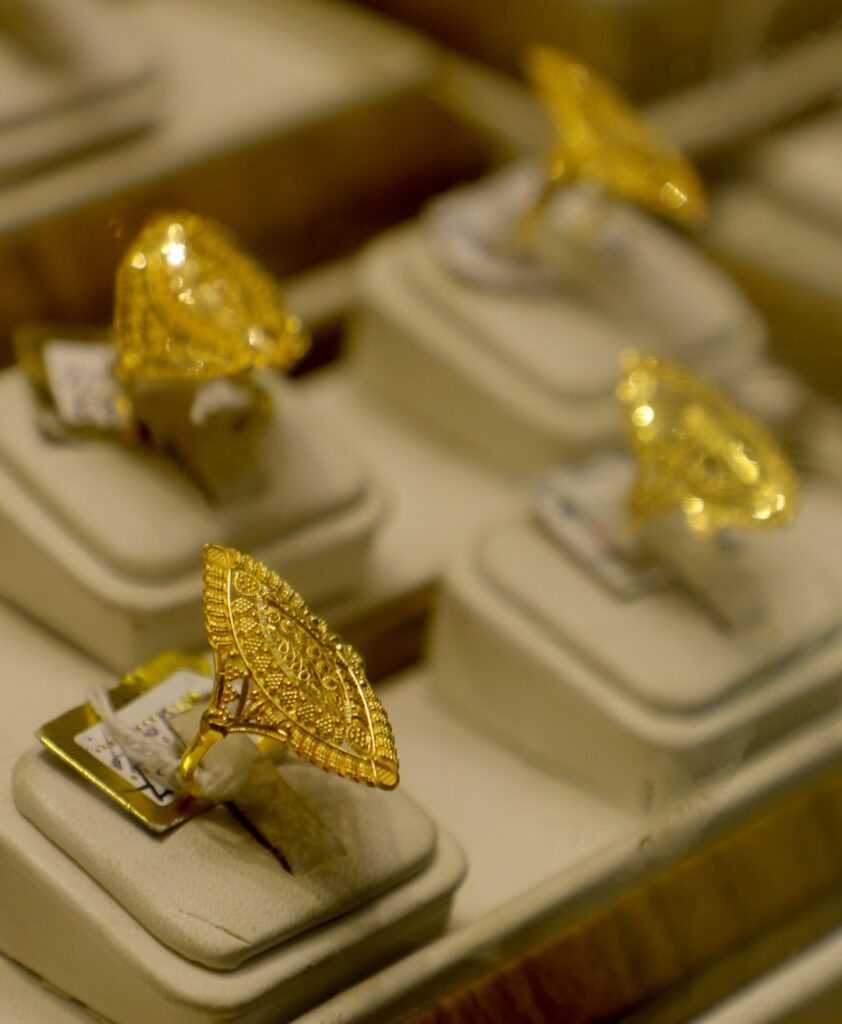
Photo by Zayed Ahmed Zadu on Unsplash
Here at Big Gold Jewellery & Bullion in Hull, we believe in straightforward, honest advice when it comes to precious metals. While gold often takes centre stage, silver holds a unique and vital position in the global market, offering both industrial utility and significant investment appeal. Understanding the forces that shape the silver price is crucial for anyone looking to engage with this versatile physical asset.
Just like gold, silver’s value is in constant flux, influenced by a complex interplay of global factors. Our commitment to ‘The Big Gold Revolution’ extends to all precious metals, ensuring per-gram transparency so you always know where you stand. Let’s delve into what truly drives the current per-gram rate of silver.
The Dual Nature of Silver: Industrial Powerhouse and Investment Haven
Unlike gold, which is predominantly an investment and jewellery metal, silver boasts a significant industrial footprint. A substantial portion of annually mined silver is consumed in manufacturing processes, from electronics and solar panels to medical instruments and photography. This industrial demand creates a unique dynamic, making silver’s price sensitive to global economic health and technological advancements.
Simultaneously, silver has long been revered as a store of value and a tangible investment. Its historical role as currency and its intrinsic beauty mean it consistently attracts investors seeking diversification or a hedge against economic uncertainties. This dual demand profile ensures that silver’s market movements are often more volatile and responsive than those of its golden counterpart.
Key Factors Influencing the Silver Price
The current per-gram rate of silver is not set in isolation; it’s the result of numerous global forces converging. Understanding these drivers is fundamental to appreciating its market behaviour. We pride ourselves on demystifying these complexities, offering clear insights into the live market indexes.
Supply and Demand Dynamics
At its core, the silver price is dictated by the balance between its availability and its consumption. Supply primarily comes from mining operations, often as a by-product of extracting other metals like copper, lead, and zinc, alongside dedicated silver mines. Recycling also contributes, but new supply can be slow to respond to sudden increases in demand.
Demand, as mentioned, is multifaceted. Industrial applications account for a significant share, with sectors like renewable energy and high-tech manufacturing being major consumers. Investment demand, encompassing physical bullion, coins, and exchange-traded products, also plays a crucial role, particularly during periods of economic uncertainty. Jewellery demand, while smaller than gold’s, provides a steady base.
Economic Indicators and Monetary Policy
Global economic health has a profound impact on silver. Strong economic growth typically boosts industrial demand, pushing the price upwards. Conversely, economic slowdowns can reduce industrial consumption, potentially dampening the live market indexes. Inflationary pressures often make silver more attractive as a real asset, offering a potential hedge against currency devaluation.
Interest rates and the strength of major currencies, particularly the US Dollar, are also significant. Higher interest rates can make non-yielding assets like silver less appealing compared to interest-bearing investments. A stronger US Dollar often makes dollar-denominated commodities, including silver, more expensive for international buyers, which can exert downward pressure on its rate.
Geopolitical Events and Market Sentiment
Periods of geopolitical instability, such as conflicts or political crises, can trigger a ‘safe-haven’ rush into precious metals. Investors often seek the perceived security of physical assets like silver during times of global uncertainty, leading to an increase in demand and a rise in its current per-gram rate. This reaction is often swift and can significantly impact short-term market movements.
Market sentiment and speculative trading also play a part. Futures markets, where contracts for future delivery are traded, can influence the spot price. Investor psychology, news events, and even social media trends can create momentum, leading to periods of rapid price appreciation or depreciation. It’s a dynamic environment, constantly reacting to new information.
The Gold-Silver Ratio: A Valuable Perspective
One of the most talked-about metrics in precious metals is the gold-silver ratio. This simply indicates how many ounces of silver it takes to purchase one ounce of gold. Historically, this ratio has fluctuated significantly, offering insights into the relative value of these two metals. A high ratio might suggest silver is undervalued compared to gold, while a low ratio could imply the opposite.
While not a precise predictor, observing the gold-silver ratio can help investors gauge potential opportunities. It reflects the market’s perception of both metals, often highlighting periods where one might be disproportionately priced relative to the other. We often discuss this ratio with our customers, providing context to the broader precious metals landscape.
How Big Gold Ensures Per-Gram Transparency for Silver
At Big Gold, our commitment to transparent, live market pricing extends to silver, just as it does to gold. The global silver price is primarily determined by the ‘spot price’, which is the current market rate for immediate delivery. This spot price is derived from continuous trading on major exchanges around the world, reflecting real-time supply and demand.
When you come to us for physical silver, we translate these complex global live market indexes into a clear, understandable per-gram rate. This means you always know precisely what you are paying for, without hidden fees or confusing calculations. Our ‘Honest Expert’ approach ensures you receive a fair and competitive rate, directly linked to today’s spot price.
Investing in Physical Silver: A Tangible Asset
For many, the appeal of physical silver lies in its tangibility. Holding a silver bar or coin provides a sense of security and ownership that digital assets cannot replicate. It serves as a robust hedge against inflation, a diversifier for investment portfolios, and a direct stake in a globally recognised commodity.
Whether you’re considering silver bullion bars or investment-grade coins, choosing a reputable dealer is paramount. Our per-gram transparency model ensures you’re making an informed decision, confident in the value you’re receiving. We believe in empowering our customers with knowledge, allowing them to navigate the precious metals market with confidence.
Conclusion: Your Trusted Partner in Precious Metals
The silver price is a dynamic and fascinating subject, driven by a blend of industrial necessity, investment sentiment, and global economics. Understanding its intricacies is key to making informed decisions, and that’s precisely where Big Gold comes in. We are dedicated to providing clear, honest, and expert guidance on all your precious metal needs, upholding our ‘per-gram’ transparency promise.
Whether you’re a seasoned investor or new to the world of precious metals, we invite you to experience the Big Gold difference. Come and chat with us about today’s spot price for silver, or any other precious metal. You can find us at 51 Jameson Street, Hull (HU1 3JA), located at the very heart of the city, just a short stroll away from Hull’s most iconic landmarks. We’re here to help you navigate ‘The Big Gold Revolution’ with confidence and clarity.
Related FAQ: Understanding Silver Pricing
Q: How often does the silver price change?
A: The live market indexes for silver are in constant motion, changing by the minute throughout global trading hours. These fluctuations reflect real-time supply and demand, economic news, and market sentiment from around the world. We track these movements continuously to provide you with the most up-to-date per-gram rate.
Q: Is silver a good investment compared to gold?
A: Silver and gold both offer unique investment benefits. Silver is often more volatile, meaning it can see larger percentage gains or losses, making it appealing to those seeking higher potential returns. Gold, on the other hand, is often seen as a more stable store of value. The best choice depends on your individual investment goals and risk tolerance, and we’re always here to discuss your options.
Q: What’s the difference between ‘spot price’ and the price I pay for physical silver?
A: The ‘spot price’ is the raw, real-time market rate for an ounce of silver for immediate delivery. The price you pay for physical silver, however, will typically be slightly above this spot price. This difference, known as the ‘premium’, covers the costs of refining, manufacturing, shipping, insurance, and the dealer’s operational expenses. We ensure our premiums are fair and transparent, clearly linked to today’s spot price.
Q: How do I know I’m getting a fair price for silver?
A: Transparency is key. At Big Gold, we pride ourselves on our per-gram transparency model, clearly showing how our selling price relates to the live market indexes. We encourage you to compare our rates and ask any questions you have. Our ‘Honest Expert’ approach means we’re always upfront about our pricing structure, ensuring you feel confident in your purchase.
Q: Can I sell my silver to Big Gold?
A: Absolutely. We buy all forms of physical silver, from bullion bars and coins to scrap silver and unwanted jewellery. We offer competitive rates based on the current per-gram rate and the purity of your item, ensuring a fair and transparent transaction. Just bring your items into our Hull store for a no-obligation valuation.
More Expert Insights:
Visit The Big Gold Revolution Today
51 Jameson Street, Hull, HU1 3JA
Located at the very heart of the city, we are just a short stroll away from Hull’s most iconic landmarks:
📍 3 minutes walking distance from Hull Train Station
📍 3 minutes walking distance from St Stephen’s Shopping Centre
📍 3 minutes walking distance to Queen’s Gardens.
📍 3 mins walk from Hull Paragon Interchange.
